
What you need to know if you want to export wine to Ukraine (2026)
By Dmitry Savchenko, Commercial Director, PWSB
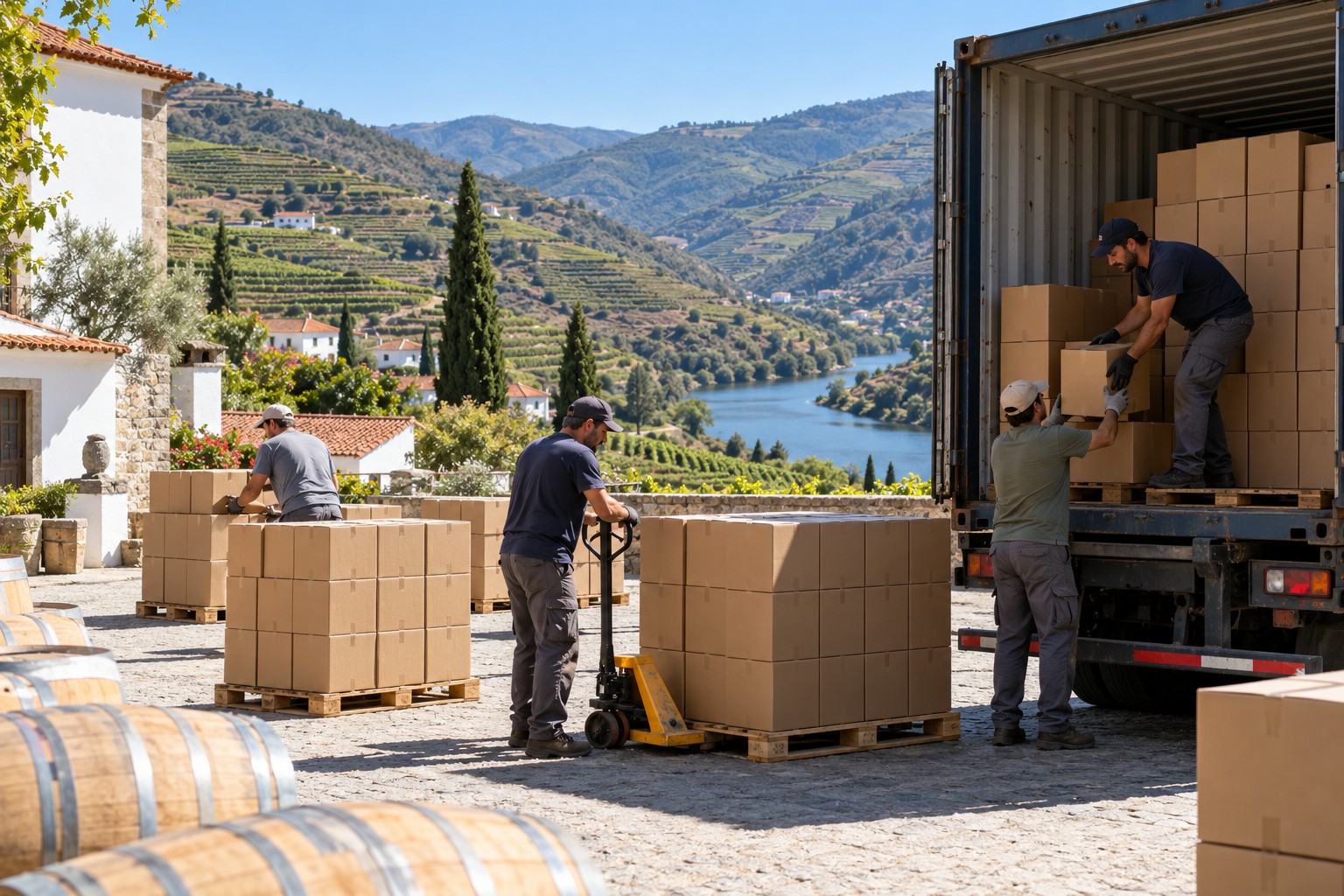
Exporting wine to Ukraine is still possible, but the market has changed a lot in recent years. This is not a market report. It is a short list of practical points to consider before you start, based on the experience of people who work with Ukrainian importers, wholesalers and retail chains.
1. The war affects everything
The war affects logistics, insurance, payments, delivery times, warehousing and commercial risk. Almost every part of doing business has changed.
2. What consumers buy
Based on market observations, white wine makes up roughly 60% of sales, red about 30% and rosé about 10%. Off-dry, semi-sweet and sweet wines often sell better than classic dry wines. Low-alcohol wines are growing, while alcohol-free wine is still a niche.
3. European wines have an advantage
Italy, Spain and France are the leading suppliers of imported wine. Other European countries also benefit from shorter, faster and cheaper logistics than New World producers.
4. Price matters most
A weaker local currency (the hryvnia), inflation and lower spending power have made affordable wines the strongest segment. A competitive price often matters more than a well-known brand.
5. Be careful with payment terms
Selling on credit needs caution. Besides normal commercial risk, the war can interrupt a buyer's business at any time. That is why many suppliers ask for prepayment or other secure payment methods.
6. Excise stamps on sparkling and fortified wines
Sparkling and semi-sparkling wines, and fortified wines, need Ukrainian excise stamps, applied before the goods enter Ukraine. The stamps are usually applied by hand, which adds to production costs. Still wines have not needed stamps since 2022. Rules can change, so always check the current requirements with your importer.
7. No Russian on labels or packaging
Avoid Russian-language text on labels, cartons and promotional materials. Today it can be seen negatively by both consumers and trade partners, and it can seriously hurt a product's chances on the market.
8. A broad range wins
Many importers prefer mixed containers with several SKUs rather than large volumes of one or two products. A broad portfolio has become a real advantage.
In short
Ukraine remains a challenging but attractive market with long-term potential. Success depends on understanding today's realities, choosing reliable partners and adapting both the product and the commercial approach.